It's the middle of the night, and you hear water running even though nobody's using a faucet. Or you step into the basement and find water spreading toward the furnace. Your first question isn't what the repair will cost. It's what you can safely do right now.
Most emergency plumbing issues need containment before diagnosis. Stopping a supply leak, keeping people away from sewage, and recognizing an electrical hazard matter more than finding the exact failed part. Don't walk through standing water to reach a breaker panel, appliance plug, or shutoff. If water threatens electrical equipment and you can't approach safely, leave the area and call emergency services, consistent with emergency home-repair safety guidance.
Across Macomb County, Oakland County, and Wayne County, Michigan, winter freezes, heavy rain, and aging plumbing all deserve attention. But the response depends on what's happening, not just the weather or the age of the house.
The situations below are arranged roughly by how quickly water damage can spread. A suspected gas leak overrides that order and requires immediate evacuation. During the first ten minutes, focus on protecting people, stopping water when safe, and giving the emergency plumber a clear description of the problem.
Table of Contents
- 1. Burst or Frozen Pipes
- 2. Active Water Leaks from Supply Lines or Fittings
- 3. Sewage Backup in Floor Drains and Basement Fixtures
- 4. Sump Pump Failure During Heavy Rain
- 5. Water Heater Failure, Leaks, or Sudden Loss of Hot Water
- 6. Gas Odor or Suspected Gas Line Leak
- 7. Overflowing or Continuously Running Toilet
- 8. Grease Trap and Drain Backups in Commercial Kitchens
- How the Most Common Emergency Plumbing Issues Compare
- Know Your Shutoffs Before You Need Them
1. Burst or Frozen Pipes
A sudden loss of water pressure during a Michigan cold snap can point to a frozen pipe. Plumbing in exterior walls, garages, and other unheated spaces is especially exposed. Ice can hide a split until it thaws, then water may start flowing into the home.
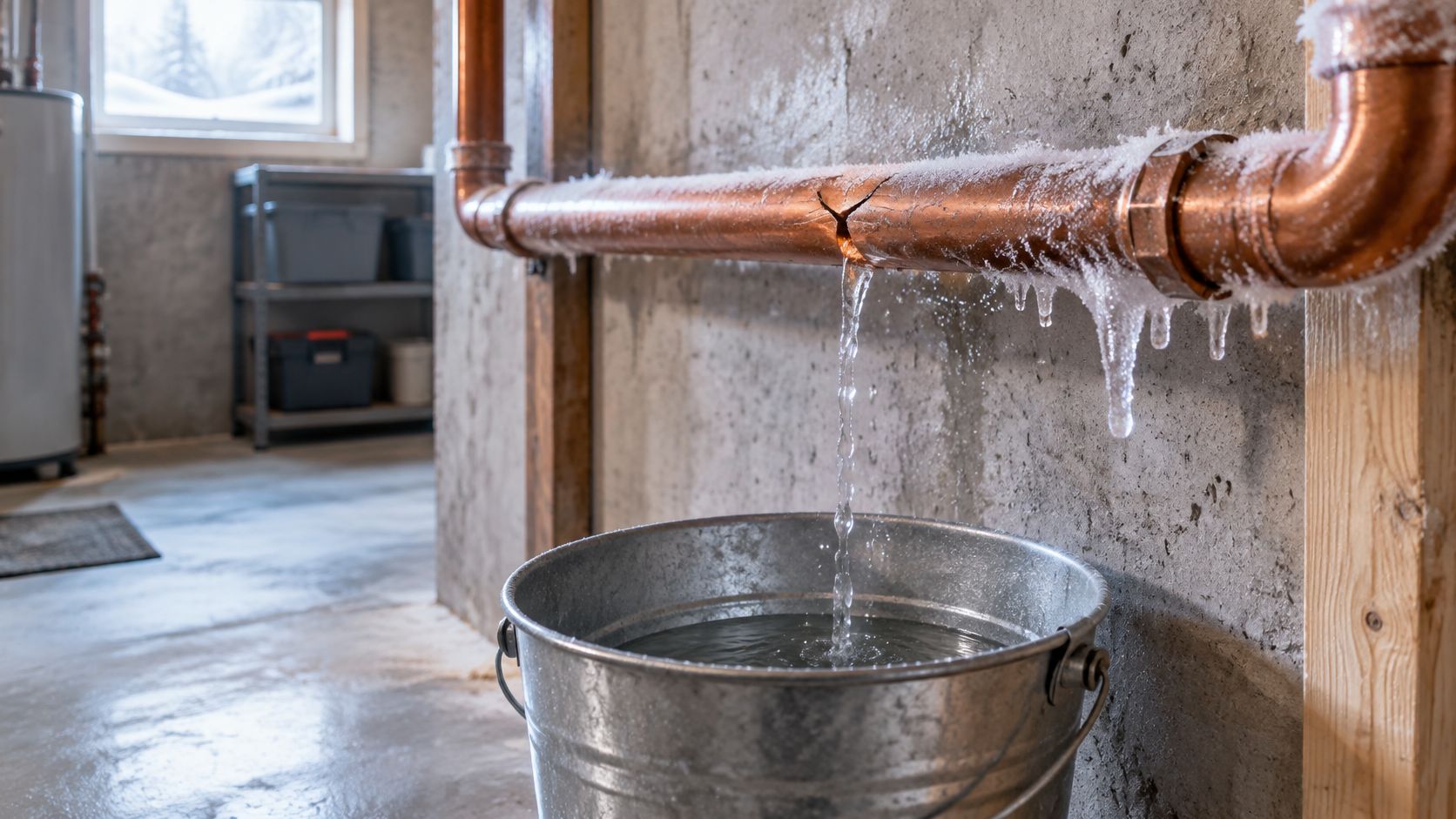
Michigan's frozen-pipe prevention guidance recommends shutting off the main water valve if a pipe freezes and warns against using a torch or open flame. In Macomb, Oakland, and Wayne counties, repeated freeze-thaw cycles can put exposed plumbing at risk. A burst supply pipe can spread water faster than a slow fitting leak, so focus first on controlling the flow.
Your First Ten Minutes
- Shut off the water. Close the main valve if a pipe has burst or you suspect a freeze. Don't force a seized valve.
- Check from a dry spot. Look for visible leaks and keep clear of standing water near electrical equipment.
- Call a licensed plumber. Report whether water is still flowing and where the affected pipe is located, if known.
A frozen garage supply line in Shelby Township may be accessible, while a split behind a finished wall in Troy may not be. Don't open drywall or apply heat to a hidden pipe while water is uncontrolled. If the frozen section is safely reachable, Michigan's guidance describes using gentle warming methods, such as warm towels. Avoid open flames, and leave inaccessible or stubborn sections to a plumber.
Once the immediate leak is contained, repair the pipe and address cold-air openings or exposed plumbing. That reduces the chance of another failure during the next freeze-thaw cycle.
2. Active Water Leaks from Supply Lines or Fittings
Opening a kitchen cabinet and finding a wet shelf doesn't tell you whether the problem is a drain connection or a pressurized supply line. That distinction matters. A supply leak can continue even when nobody uses the sink.
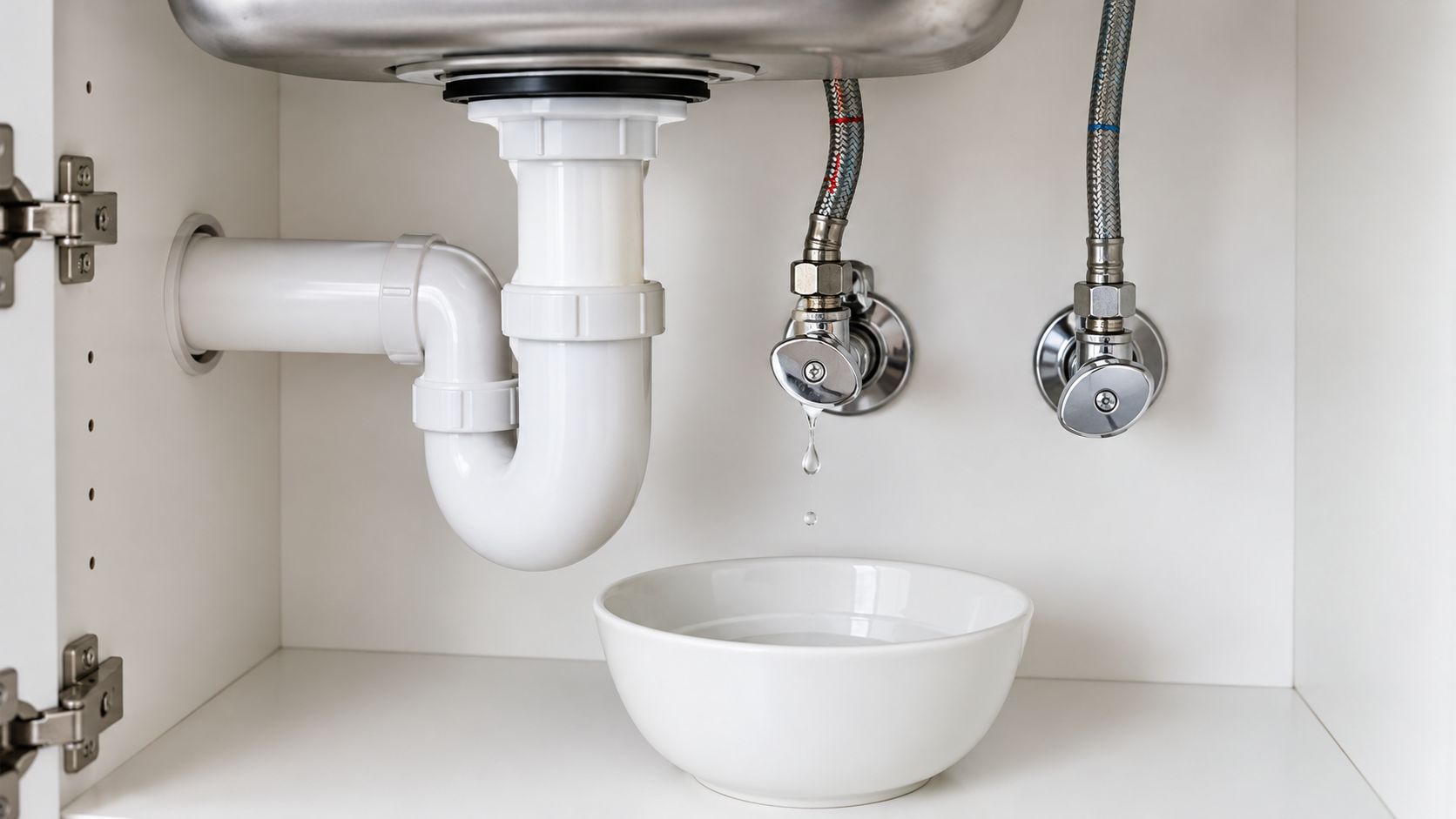
The EPA estimates that household leaks waste nearly a trillion gallons nationwide each year, with common sources including worn toilet flappers, dripping faucets, and defective valves. Its Fix a Leak Week guidance explains why a persistent drip deserves repair even before it becomes an emergency.
During the first ten minutes, try the accessible fixture shutoff if you can reach it safely. If that doesn't stop the flow, or you can't identify the source, use the main shutoff. A bucket protects a cabinet briefly, but it doesn't control a pressurized leak.
Separate Containment from Diagnosis
- Protect belongings. Move cleaning products, stored supplies, and nearby furniture out of the wet area.
- Document the source. Photograph the fitting, wet surfaces, and shutoff position before cleanup.
- Avoid improvised repairs. Don't tighten unfamiliar fittings aggressively or dismantle a valve that's still under pressure.
In a Fraser home, visible water under a sink may be straightforward to isolate. A damp ceiling in Macomb Township needs more careful leak detection, because water can travel before it appears. This guide to finding a water leak in your house explains useful warning signs.
Damage speed ranges from gradual soaking to rapid flooding. Have the plumber identify the failed component, examine adjacent connections, and verify the repair before closing walls or replacing cabinetry.
3. Sewage Backup in Floor Drains and Basement Fixtures
Stop using water when sewage rises through a basement floor drain or lower-level shower. Running the washing machine upstairs to “see whether it drains” can add wastewater to an already blocked system.
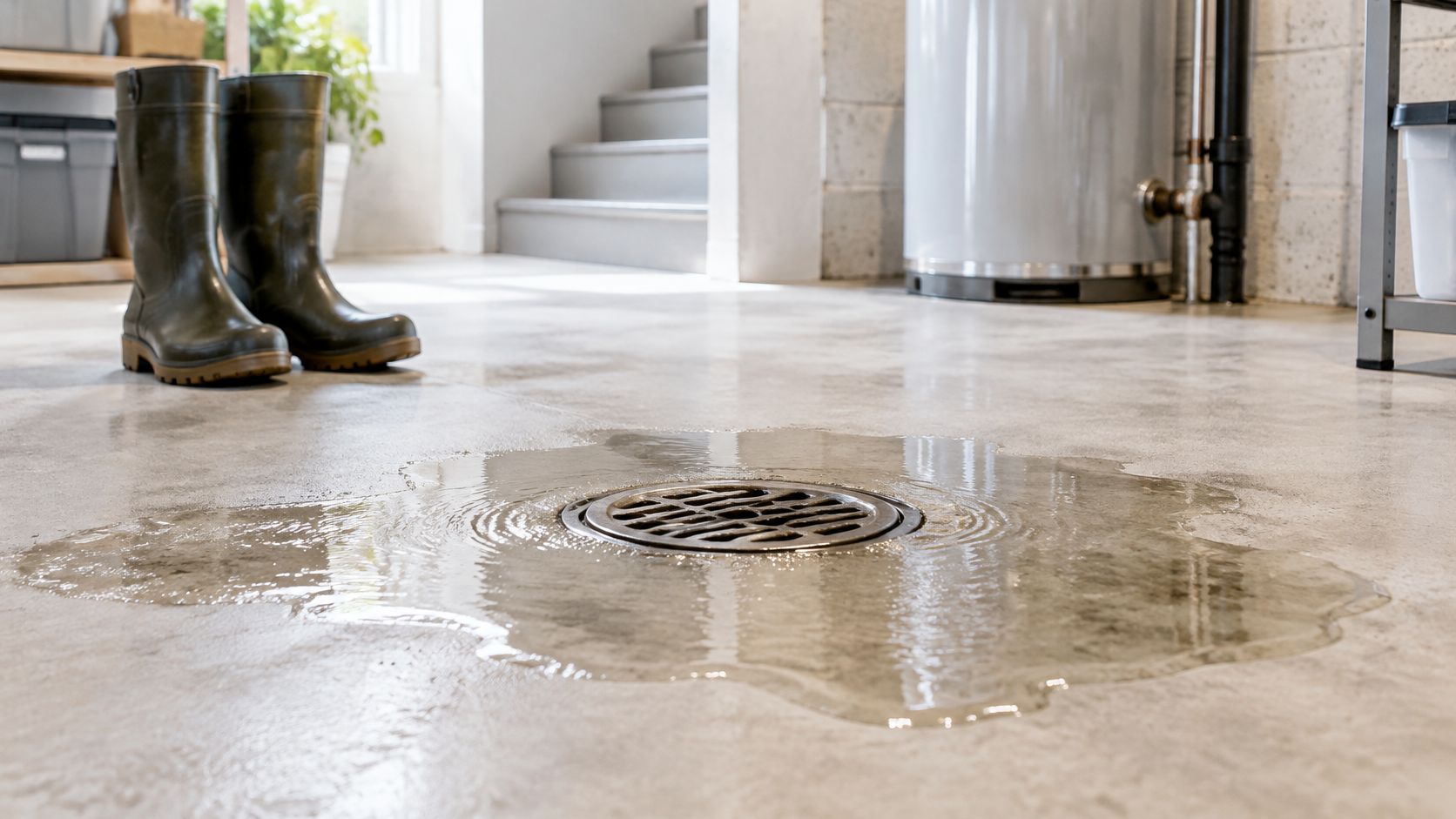
This is a sanitation emergency, not just a wet-floor problem. WHO's water, sanitation, and household wastewater monitoring identifies safely managed wastewater collection and treatment as fundamental public-health protections.
Keep children and pets away. Don't handle contaminated belongings or attempt cleanup with ordinary household equipment.
Practical rule: When wastewater comes up through a drain, stop adding water anywhere in the building until the cause is assessed.
What the Plumber Needs to Know
Describe which fixture backed up first, whether other drains are gurgling, and whether the problem began during heavy rain. In a Clinton Township or Sterling Heights basement, those details help distinguish a building-side obstruction from a possible downstream problem.
If the property has older clay or cast-iron sewer piping, ask about a camera inspection after flow is restored. Clearing roots or debris and confirming pipe condition are different tasks. A successful cleaning doesn't, by itself, establish that the pipe is sound.
Our sewer backup guide covers additional warning signs and response considerations.
Damage speed can be rapid, and contamination adds another concern. Drain cleaning may restore flow, while damaged piping may require sewer repair. Don't assume heavy rain explains everything, and don't approve excavation solely because the line backed up. Ask what the inspection shows and what alternatives are available.
4. Sump Pump Failure During Heavy Rain
The sump pit is filling, but the pump isn't moving water. During heavy rain or spring thaw, that's a reason to call before water reaches the basement floor.
Never enter standing water to inspect a pump or unplug its cord. A quiet motor doesn't establish that the equipment is safe to touch.
From a dry, safe location, note whether the pump is silent, humming, or running continuously. Look for obvious water discharge outside only if weather and access permit. Don't open electrical components or reach into the pit while troubleshooting powered equipment.
Give the Technician Useful Observations
- Water level. Explain whether water is contained in the pit or spreading across the floor.
- Pump behavior. Report silence, repeated cycling, humming, or continuous operation.
- Backup equipment. Mention a battery backup or secondary pump if one is installed.
Consider a finished basement in Fraser or Shelby Township during a storm. The immediate goal is to restore dependable water removal, not decide on the phone that the entire pump must be replaced.
A professional should distinguish pump failure from a discharge restriction, float problem, or power issue. Sump pump repair won't solve a blocked discharge route, and replacing a working pump won't correct every flooding problem.
Damage speed depends on how fast water enters compared with how much the system removes. It may escalate quickly during a storm, so move accessible valuables upstairs while the route remains dry.
For prevention, arrange a controlled system test before wet weather. Discuss backup options, discharge routing, and what maintenance the particular equipment needs rather than assuming a backup system eliminates every risk.
5. Water Heater Failure, Leaks, or Sudden Loss of Hot Water
No hot water and water spreading around a heater aren't the same emergency. A dry unit that won't heat needs diagnosis. An active leak needs containment, while gas odor or an electrical hazard changes the response immediately.
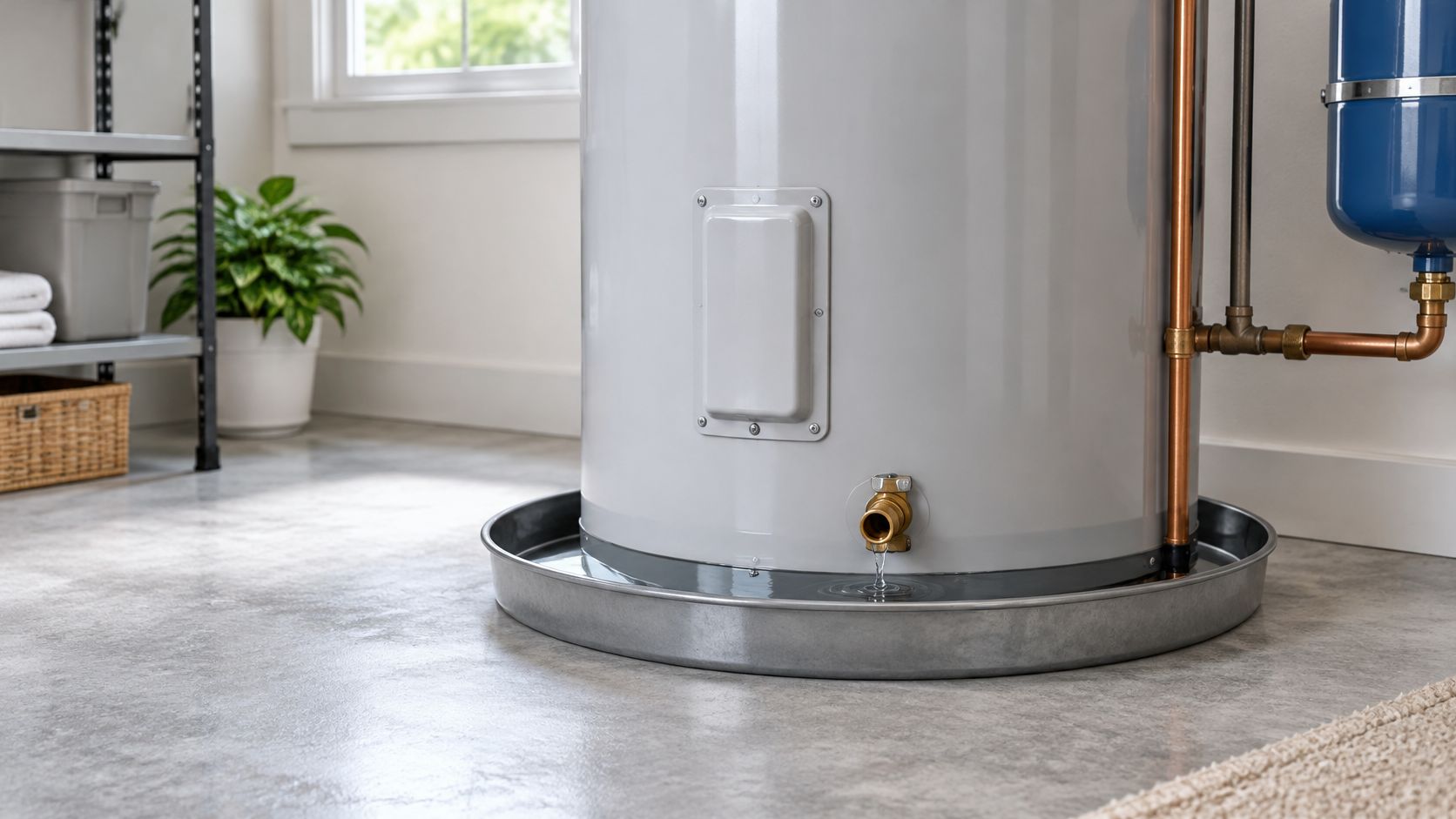
In the first ten minutes, observe from a safe position. Is water coming from a pipe connection, collecting beneath the tank, or discharging from a relief line? Don't remove covers or touch wet electrical equipment to investigate.
If you recognize the cold-water inlet valve and can reach it safely, close it to contain an active leak. Arrange safe shutdown of the heater's energy supply according to its operating instructions, but don't operate unfamiliar controls or approach through water.
Never cap a relief-valve discharge pipe to stop dripping. The discharge needs professional investigation, not a plug.
Repair or Replacement Comes After Diagnosis
For a Troy homeowner, a leaking connection may allow water heater repair without replacing the tank. A leaking tank calls for a different discussion about water heater replacement. Noise, discolored water, or inconsistent temperature alone doesn't prove which option is appropriate.
Ask the plumber to identify where water originates and explain the repair choices. Don't drain a hot tank or open a pressurized connection yourself.
Damage speed is usually lower for a contained no-hot-water problem than for an active supply leak. A tank leak can still spread across a basement, especially when it goes unnoticed.
During Michigan winters, keep the equipment area accessible and protected from freezing. Schedule maintenance appropriate to the heater model, including tankless equipment, rather than applying the same procedure to every system.
6. Gas Odor or Suspected Gas Line Leak
Leave the building immediately if you suspect a gas leak. Don't spend the first ten minutes looking for the source, opening equipment, or deciding whether the smell is strong enough to matter.
Once everyone is outside and away from the building, call emergency services and the gas utility. Don't reenter until the responding authority says it's safe.
Avoid operating switches, plugs, appliances, garage-door openers, or phones inside. Don't smoke, light a flame, or attempt a DIY leak test.
Evacuation Comes Before Plumbing Repair
A suspected leak near a water heater in Sterling Heights requires the same first response as one near a commercial kitchen appliance in Oakland County. Winter weather doesn't make an indoor investigation safer. Go somewhere safe rather than remaining inside to stay warm.
- Leave equipment alone. Don't disconnect appliances or attempt to tighten gas fittings.
- Account for occupants. Tell responders whether anyone may still be inside.
- Report recent changes. Once outside, mention recent appliance work or construction without returning to inspect it.
Safety priority: A gas concern belongs ahead of the water-damage ranking. Call for emergency assistance before arranging routine repair.
After the property has been made safe, a qualified professional can investigate and complete appropriate gas line repair. That work should include identifying the actual defect rather than replacing parts based only on where someone noticed an odor.
This problem isn't measured by the speed of water damage. Treat it as an immediate safety concern. For prevention, have gas-connected equipment serviced appropriately and tell contractors where gas piping is located before nearby work begins.
7. Overflowing or Continuously Running Toilet
A running toilet can waste water without wetting the floor. An overflowing bowl needs immediate action. Don't confuse the two, and don't flush again to check whether a clog has cleared.
HomeServe's survey, reported by Contractor, found that 26% of surveyed homeowners experienced a blocked or overflowing toilet during the previous year. The 2025 State of the Home Survey coverage shows why knowing the fixture shutoff is useful preparation.
Stop the Water Before Troubleshooting
Close the toilet's supply valve if it turns normally and you can reach it safely. If it won't close, don't force it until it breaks. Use the main shutoff when necessary and accessible.
- Overflowing bowl. Stop flushing, restrict access, and keep contaminated water away from adjoining rooms.
- Running tank. Arrange inspection of the flapper, fill valve, and related components.
- Other fixtures backing up. Stop building-wide water use and report a possible main-drain problem.
A toilet overflowing upstairs in a Shelby Township home can threaten the ceiling below. A running toilet in an otherwise dry Fraser bathroom is generally less urgent, but it still deserves prompt bathroom plumbing service.
A plunger may help an isolated clog when the bowl has room and there's no sign of a wider backup. Don't keep plunging if multiple fixtures are affected, and tell the plumber if chemical cleaner has already been used.
Damage speed is high when water leaves the bowl, but slower when water stays contained. Prevent repeat trouble by repairing worn parts and keeping wipes, hygiene products, and other non-toilet-paper items out of the drain.
8. Grease Trap and Drain Backups in Commercial Kitchens
When wastewater comes up through a restaurant floor drain, continuing service can spread the problem beyond the kitchen. Stop using affected sinks, dishwashers, and connected equipment while arranging commercial plumbing service.
For a café in Clinton Township or a restaurant in Troy, the first decision is operational. Which equipment must stop, which areas need isolation, and can anyone continue working without crossing contaminated water?
Contain the Backup Without Moving It Elsewhere
- Pause water-producing equipment. Tell staff which fixtures are out of service.
- Protect clean areas. Keep food, utensils, packaging, and customers away from wastewater.
- Describe the pattern. Report whether the backup affects a sink, grease interceptor, floor drain, or multiple fixtures.
Don't pour chemical drain cleaner into the system or use very hot water as an emergency grease-clearing method. Don't assume a humming disposal explains a backup elsewhere. Garbage disposal repair and main-line drain cleaning solve different problems.
A plumber may use mechanical cleaning, high-pressure water jetting, or camera inspection, depending on access and pipe condition. For an older clay or cast-iron line, ask how the technician will assess its condition before selecting equipment.
Heavy rain should also be reported, but it doesn't establish the cause. A grease restriction inside the building and a downstream sewer problem require different responses.
Damage speed depends heavily on continued water use. Pausing affected operations can limit additional overflow while the source is investigated.
For prevention, match grease-interceptor servicing and drain maintenance to actual kitchen use. Keep service records available, especially when several tenants share drainage. Property managers should also identify who can authorize emergency work before an evening or weekend backup occurs.
How the Most Common Emergency Plumbing Issues Compare
The first ten minutes shape how much damage an emergency causes. In Macomb, Oakland, and Wayne counties, freeze-thaw cycles can stress pipes, heavy storms can overwhelm basement drainage, and older clay or cast-iron sewer lines may affect how a backup is handled. Use this table to compare what you can safely do first, what needs a plumber, and how quickly damage can spread.
| Item | Main Warning Sign | Speed of Damage | Safe First Step | Call Right Away If |
|---|---|---|---|---|
| Burst or Frozen Pipes | Low water pressure, a trickling faucet, or visible leaking | A burst pipe can flood a room quickly; frozen pipes may leak as they thaw | If water is leaking, shut off the main water valve if it is safe to reach | A pipe bursts, water comes from a wall or ceiling, or a faucet has no water in a cold home |
| Active Water Leaks from Supply Lines or Fittings | Drips, spreading stains, damp materials, or an unexplained high water bill | A small leak may cause damage gradually, while a pressurized leak can soak materials quickly | Close the nearest fixture shutoff valve, or the main supply if needed and safe | Water is actively leaking, stains are spreading, or the source is unknown |
| Sewage Backup in Floor Drains and Basement Fixtures | Sewage rising through a drain, several clogged fixtures, or foul odors | Contamination and property damage can develop quickly | Stop using water and keep people and pets away from the affected area | Sewage rises through a drain or multiple fixtures back up |
| Sump Pump Failure During Heavy Rain | The pump does not start, runs constantly, or basement water rises | During heavy storms, water can enter the basement quickly | Stay out of standing water and away from the pump and its cord. From a dry location, note the pump's behavior and call for service | The basement is taking on water or the pump does not operate as water rises |
| Water Heater Failure, Leaks, or Sudden Loss of Hot Water | A leaking tank, rusty water, unusual noises, or no hot water | A leaking tank can damage nearby flooring and belongings quickly | If it is leaking, shut off the water supply only if the valve is safely accessible | The tank leaks, you smell gas, loud banging occurs, or hot water suddenly stops |
| Gas Odor or Suspected Gas Line Leak | Rotten-egg odor, hissing, or suspected gas indoors | Immediate fire or explosion hazard | Leave the building and call from a safe distance | You smell gas, hear hissing, or suspect a leak |
| Overflowing or Continuously Running Toilet | An overflowing bowl or water that keeps running | An overflow can damage floors within minutes | Turn off the toilet's shutoff valve if it is safe to reach, and do not flush | The toilet overflows, leaks at the base, or plunging does not clear it |
| Grease Trap and Drain Backups in Commercial Kitchens | Slow drains, foul odors, gurgling, or wastewater backing up | A backup can disrupt operations and create sanitation concerns; heavy rain or an older sewer line may also affect drainage | Stop using water and equipment that drains into the affected line | A kitchen backup occurs or grease or sewage comes up through floor drains | </final |
Know Your Shutoffs Before You Need Them
The best emergency preparation is knowing how to stop water without putting yourself at risk. Locate the main water valve while the basement is dry and the lights are on. Find the individual shutoffs serving toilets, sinks, appliances, and the water heater.
Know where the gas meter and sump pump power source are located, too. Finding them beforehand doesn't mean you should operate them during an unsafe situation. A suspected gas leak requires evacuation, and water near electrical equipment requires distance.
Walk household members through the safe access routes. For rental properties and businesses, give responsible staff clear contact information and explain who can authorize emergency service.
Keep Useful Information Together
- Property details. Record shutoff locations, equipment model information, and known plumbing concerns.
- Emergency contacts. Save your plumber, gas utility, property manager, and insurer.
- Service records. Keep sewer camera findings, repair invoices, and maintenance documentation accessible.
- Damage documentation. Photograph affected areas when safe, without delaying evacuation or containment.
Insurance coverage isn't the same as repair responsibility. Ask separately about the failed plumbing component, resulting water damage, sewer backup, cleanup, and any excavation. Follow your insurer's instructions and retain estimates and mitigation invoices, consistent with The Hartford's water-damage guidance.
For buyers, sellers, and real estate agents, recurring backups or unexplained moisture deserve investigation before a transaction deadline. A sewer camera inspection or leak assessment can provide more useful information than another temporary clearing or cosmetic repair.
When searching for a “plumber near me,” describe the emergency clearly. Say whether water is isolated, whether sewage is involved, and whether anyone has identified an electrical or gas concern. Those details help the company understand the job before dispatch.
Save 586-634-3450 in your phone. Jay's Plumbing and Sewer provides around-the-clock emergency response for residential plumbing and commercial systems, with service focused on Macomb and Oakland counties. For properties in Wayne County or nearby communities, call to confirm availability.
Whether you're in Fraser, Sterling Heights, Clinton Township, Troy, Macomb, or Shelby Township, don't wait for a manageable leak to become an uncontrolled one. You can also call about maintenance, recurring symptoms, or shutoff questions when there's no emergency.
Jay's Plumbing and Sewer offers emergency plumbing, drain and sewer service, leak detection, water heater service, and pump repairs. Call Jay's Plumbing and sewer 586-634-3450 to explain what's happening and arrange service, or visit Jays Plumbing and Sewer to learn about repair and maintenance options. We're happy to answer questions before a small problem becomes an emergency.
