If your water heater has no hot water, first confirm the electric breaker or gas pilot, verify the tank is full, and check the thermostat setting. Keep the temperature near 120°F at the tap, because 140°F water can cause a serious burn in approximately 3 seconds, while 120°F water may require about 10 minutes for a comparable injury, according to peer-reviewed tap-water scald research.
You turn on the shower in a Fraser home and get cold water. The kitchen faucet is cold too. In a Michigan winter, the heater may be sitting in a cold basement while the family is already late for work or school. Don't panic, and don't start turning every dial you see. A no-hot-water problem usually follows one of three paths: the unit has lost power or fuel, a heating component has failed, or hot water exists in the tank but isn't reaching the fixtures correctly.
Table of Contents
- When the Hot Water Disappears
- Safe Checks You Can Do Right Now
- Diagnosing Electric, Gas, and Tankless Systems
- Sediment, Dip Tubes, and Other Hidden Causes
- Why Cranking the Thermostat Is the Wrong Move
- When to Stop and Call a Licensed Plumber
- Repair or Replace What Comes Next
When the Hot Water Disappears
Start by checking whether the issue affects the whole property. If only one shower or faucet stays cold, the water heater may be working and the problem may be a cartridge, mixing valve, or fixture. If every fixture produces cold water, focus on the heater, its fuel supply, and the controls.
A Southeast Michigan homeowner may see the same symptom after a breaker interruption, a gas pilot outage, plumbing work, or a cold-weather pipe problem. Tankless equipment can also stop heating when a control detects an error or when a condensate line freezes in an unheated area. These causes look similar from the shower, but they require different repairs.
Water heating deserves prompt attention because it represents a substantial part of household energy use. The U.S. Department of Energy explains that water heating accounts for roughly 13% of annual residential energy use and consumer utility costs. That makes diagnosis more useful than repeatedly resetting a control or replacing parts by guesswork.
A simple way to think about the failure
- Power or fuel path: The electric unit has no power, or the gas unit has no pilot or fuel supply.
- Heating path: A thermostat, element, burner, ignition component, or control has failed.
- Delivery path: A mixing valve, recirculation problem, broken dip tube, or fixture issue makes heated water feel cold.
Practical rule: Check only what you can see safely. If the next step requires opening an electrical panel, handling gas controls, or working around a leak, stop there.
This approach works for homeowners, landlords, property managers, and small businesses in Macomb County, Oakland County, and Wayne County. It also helps a plumber near me arrive with useful information instead of starting from zero.
Safe Checks You Can Do Right Now
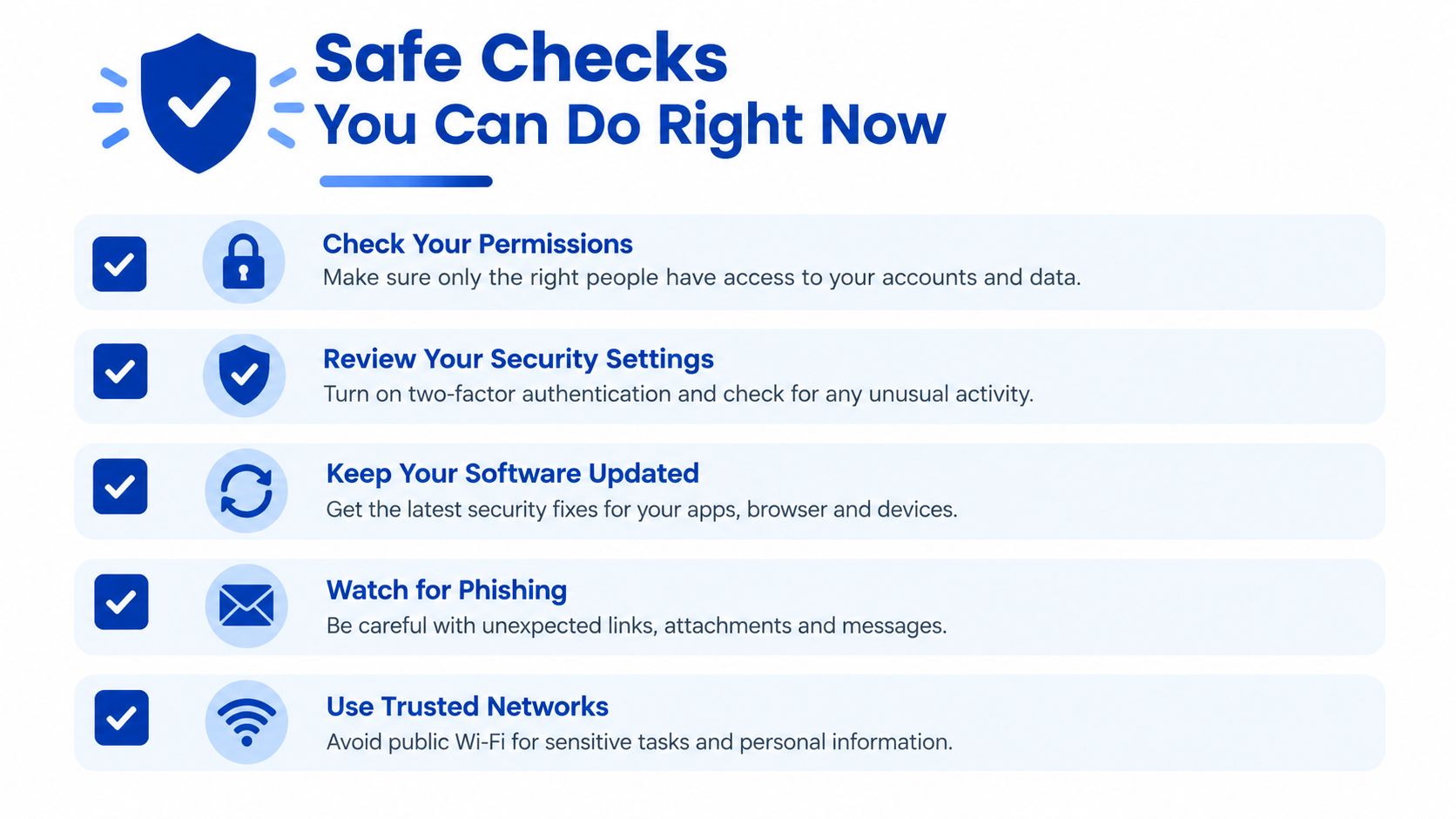
Keep this first check limited to visible controls and normal faucet operation. You don't need to remove a cover or use a meter.
Start with the five-minute triage
Check the breaker. For an electric water heater, look for a breaker that has moved fully off or sits between positions. You can reset it once according to the panel instructions. If it trips again, leave it off and call a professional.
Look at the pilot or ignition status. On a gas tank, check the viewing area for the pilot flame if the model uses one. If you smell gas, don't attempt to relight anything. Leave the area and contact the gas utility or emergency services.
Check the thermostat setting. A setting may have been changed during previous work, but don't assume a higher setting is the answer. First confirm what the control shows and compare the temperature at a faucet.
Confirm the tank is full. Open a hot-side faucet and let it run until the flow is steady. The DOE water-heater operating material warns that an electric tank must be filled and purged of air before power is turned on, because energizing an empty tank can damage the heating elements.
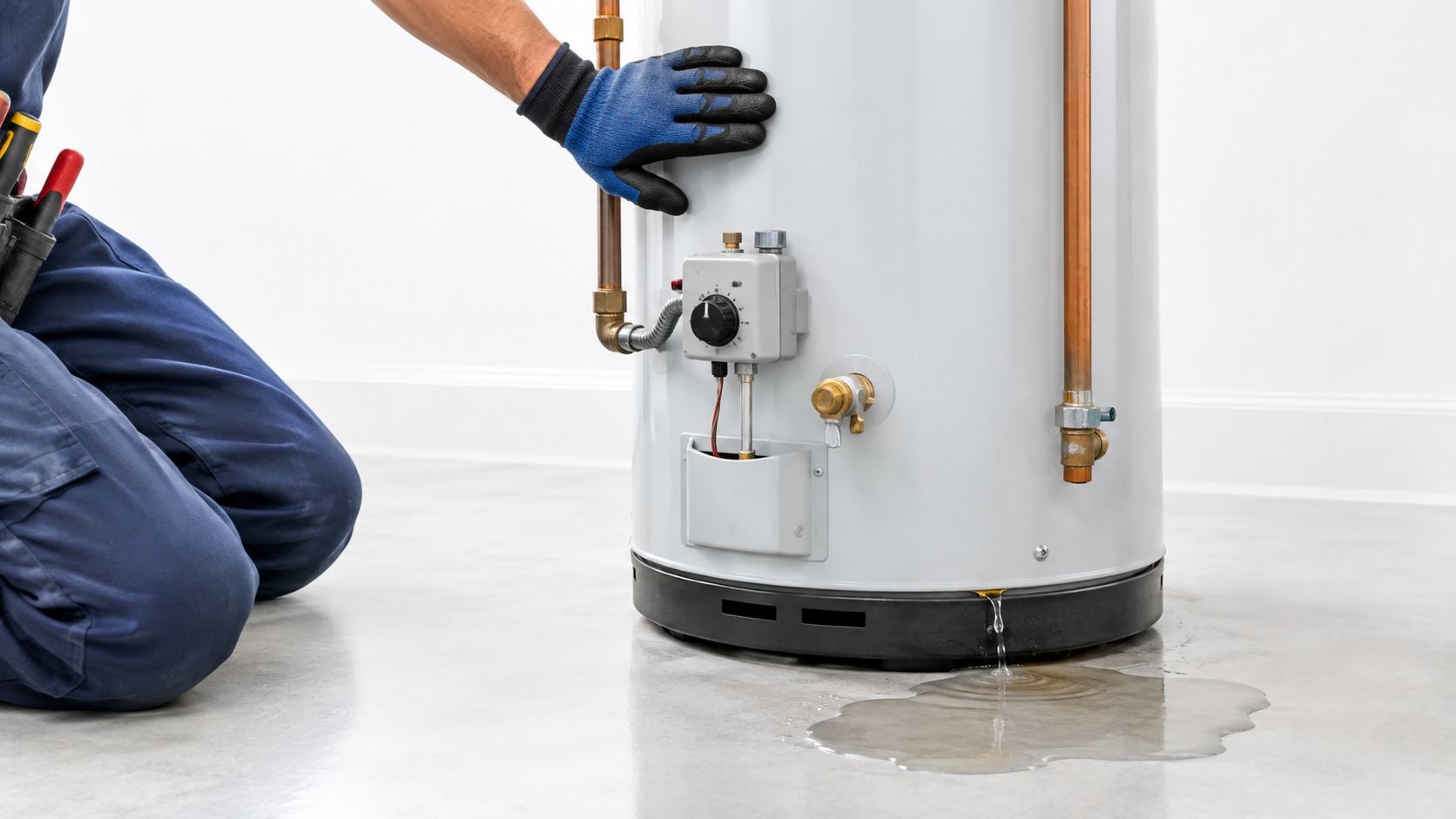
Look for water. Check the floor, fittings, top connections, drain area, and temperature-and-pressure relief discharge pipe. A puddle, active leak, or wet insulation changes this from a simple no-hot-water complaint to a water-damage concern.
Most electric water heaters have two thermostats. Both need to be set to the same temperature for proper operation, but accessing them means opening electrical covers. The Consumer Product Safety Commission advises shutting off power at the breaker before accessing electric-water-heater thermostats. Homeowners should leave that work to a qualified professional.
If these checks don't restore hot water, write down what you found. Note whether the breaker stayed on, whether a pilot was visible, whether water leaks, and whether every fixture is affected. That information makes the diagnosis faster.
Diagnosing Electric, Gas, and Tankless Systems
Your next step depends on the type of water heater installed.
Electric tank systems
A breaker that trips once may reflect an interruption. A breaker that trips repeatedly usually points to a failing element, thermostat, wiring issue, or another fault. Don't keep resetting it. Electric tanks may also lose heating because the high-limit safety control has opened or because one of the heating elements has failed.
The two-thermostat design matters. If the upper control or element fails, the tank may produce little or no usable hot water. If the lower component fails, you may get a short supply before the water turns cold. Testing those parts requires electrical diagnosis, not visual guessing.
Gas tank systems
A gas unit may stop heating when the pilot is out, ignition fails, the thermocouple or flame-sensing system doesn't confirm a flame, or the burner doesn't operate when the thermostat calls for heat. A closed gas valve or broader fuel interruption can create the same symptom.
Never investigate a suspected gas leak with a flame, and don't relight a pilot when you smell gas. A licensed plumber can determine whether the problem is the appliance, the gas control, or the supply.
Tankless systems
Tankless equipment depends on flow sensors, ignition, controls, venting, and condensate drainage. Read the displayed error code and check the manufacturer's basic reset instructions, but don't bypass a safety lockout. In a cold Michigan basement, a condensate drain can freeze and prevent the unit from operating.
| Symptom | Most Likely Cause | Likely Fix Path |
|---|---|---|
| No hot water anywhere | Lost power, pilot failure, or major control fault | Check the visible supply status, then arrange professional testing |
| Short burst of hot water | Lower element, sediment, or delivery problem | Test the heater and inspect the tank |
| Cold water at one fixture | Faucet cartridge or local mixing issue | Check that fixture rather than replacing the heater |
| Tankless unit shows an error | Ignition, flow, venting, or condensate issue | Follow the code-specific diagnostic process |
| Breaker trips again | Electrical or element fault | Leave the breaker off and call a licensed plumber |
For a gas-specific explanation, see gas water heater not heating water. A professional should separate a heater-side failure from a mixing valve or recirculation fault before recommending replacement.
Sediment, Dip Tubes, and Other Hidden Causes
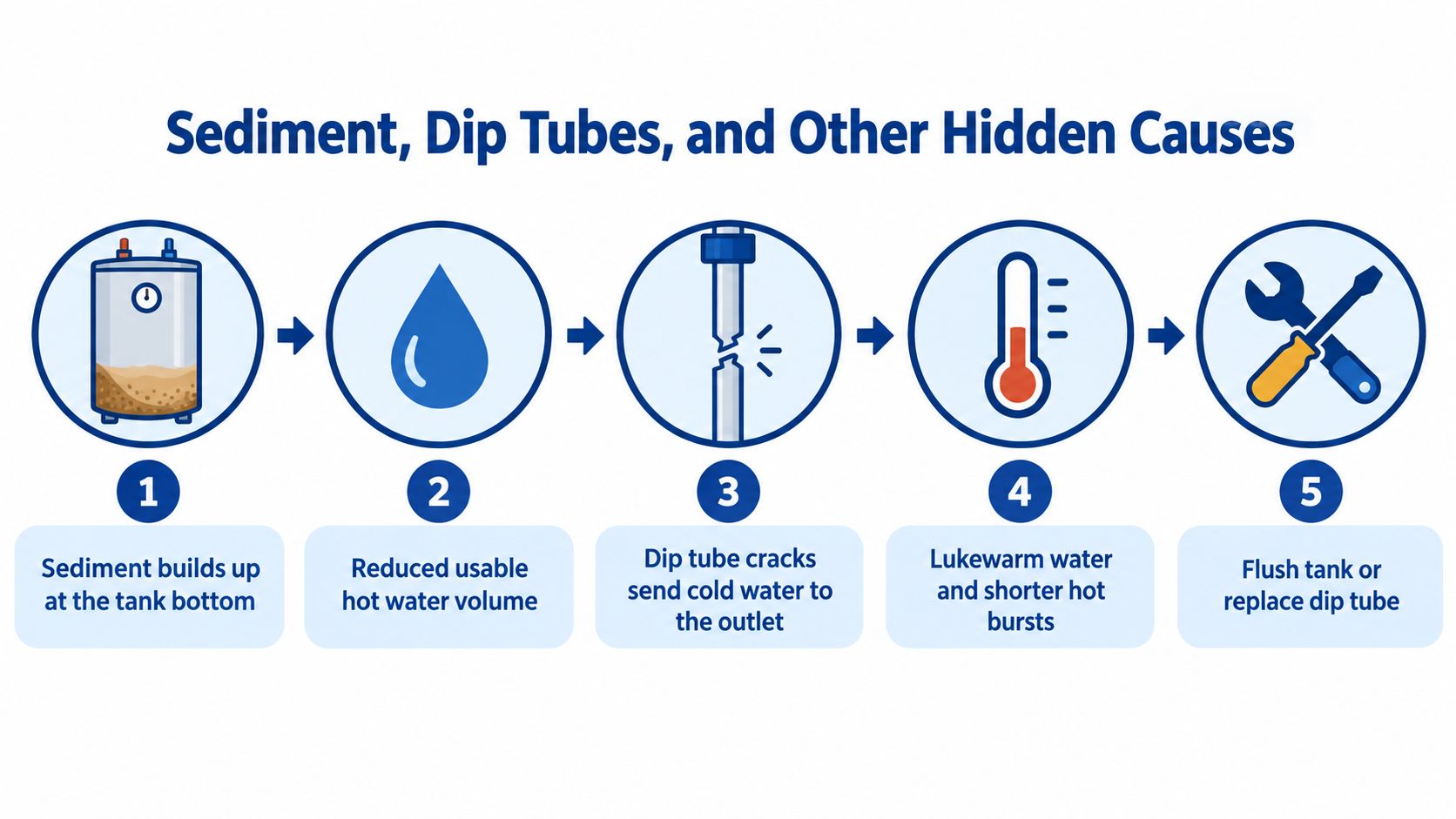
Not every water heater failure happens suddenly. Many units weaken gradually. You may notice lukewarm water, shorter showers, popping sounds, or a tank that seems unable to recover between normal uses.
Sediment settles at the bottom of a tank and takes up usable space. It can also interfere with heat transfer, forcing the burner or elements to work harder. A deteriorated dip tube creates a different problem. The tube normally directs incoming cold water toward the bottom of the tank. If it cracks, cold water can enter the outlet side and reach the fixtures before the tank's heated supply is used properly.
An aging anode rod can accelerate corrosion inside a tank. It isn't the same as a heating element, but its condition affects how well the tank resists internal deterioration. When a plumber services the heater, the inspection should consider the tank body, connections, relief valve, elements or burner, dip tube, and anode rod.
What annual maintenance should include
The EPA recommends annual water-heater maintenance, including:
- Flushing sediment: The service removes accumulated material from the tank and helps preserve usable capacity.
- Inspecting the tank: A technician looks for leaks, corrosion, aged gaskets, loose connections, and damaged fittings.
- Checking the relief valve: The temperature-and-pressure relief valve must operate correctly to protect the tank from unsafe pressure or temperature.
Flushing involves hot water, a hose, shutoff procedures, and correct power or fuel handling. For an electric unit, power must be off before service, and the discharge must go somewhere that can safely handle hot water. Don't open a drain valve if you aren't prepared to control the flow or if the tank is already leaking.
If the symptom is a short supply rather than a complete failure, ask for a maintenance diagnosis instead of immediately ordering a larger heater. If the tank itself is corroded or leaking, maintenance won't reverse that condition. A plumber can also explain whether replacing the water heater anode is appropriate for the unit.
Why Cranking the Thermostat Is the Wrong Move
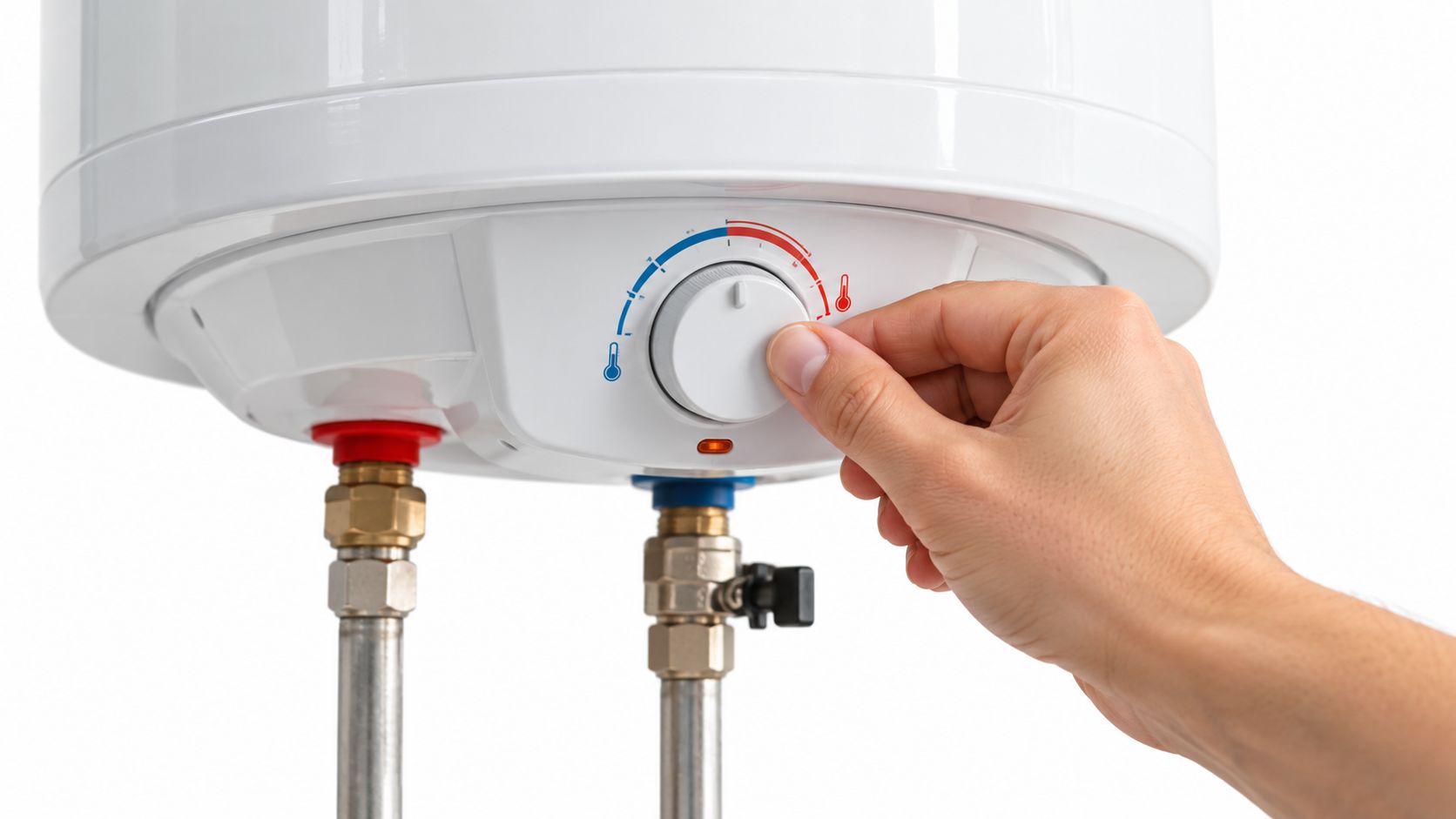
A cold shower makes a higher thermostat setting seem like the fastest fix. It is the wrong first move. Turning up the heat can conceal a failed mixing valve, control, heating element, or other fault while making the water at the tap unsafe.
Storage temperature, circulation temperature, and delivery temperature serve different purposes. The CDC recommends storing hot water above 140°F and keeping circulating hot water above 120°F to limit Legionella growth. A thermostatic mixing valve can reduce the temperature delivered at fixtures while the system maintains safer storage conditions.
As noted earlier, very hot water can scald within seconds. Raising the setting turns a comfort problem into a burn hazard, especially for children, older adults, and anyone who cannot pull away quickly.
Measure the water instead of trusting the dial
The CPSC recommends a residential setting of 120°F to reduce or eliminate most tap-water scald injuries and advises checking the actual faucet temperature with a candy or meat thermometer. Run the faucet after the water has been unused for a while, then measure it. The dial alone does not confirm what reaches the fixture.
Michigan's code also addresses tempered water. The 2021 Part 7 Michigan Plumbing Code requires an approved limiting device, thermostatic mixing valve, or qualifying water heater for tempered water, with the applicable device or water heater set no higher than 110°F.
If the tank is hot but the faucet stays cold, the mixing or tempering device may have failed. Increasing the tank temperature will not repair it. Leave the setting alone and have the component assessed before restoring normal use.
When to Stop and Call a Licensed Plumber
A homeowner can check a breaker, observe a pilot through its intended viewing area, test a faucet, and look for visible water. The boundary comes when diagnosis requires live electrical testing, gas-control work, combustion adjustment, tank draining, or dismantling the unit.
Stop troubleshooting and call a licensed plumber if you find:
- A gas odor: Leave the area and contact the gas utility or emergency services.
- An active leak: Shut off the water supply if you can do so safely and protect the area from damage.
- Repeated breaker trips: Keep the breaker off instead of treating the reset as a repair.
- Scorch marks or burning smells: Electrical damage and overheating need professional evaluation.
- Burner or ignition failure: Don't bypass a flame sensor or safety control.
- Persistent error codes: A code that returns needs manufacturer-specific diagnosis.
- A failed relief valve: Don't cap, plug, or ignore the discharge line.
- 240-volt wiring or gas valves: Leave these components to a qualified technician.
A professional also checks beyond the tank. A mixing valve, recirculation pump, supply pipe, or fixture cartridge can make a functioning heater appear to have no hot water. This matters in apartment buildings, senior housing, restaurants, offices, and rental properties where one incorrect temperature adjustment can affect many occupants.
Michigan's code requirements are another reason to avoid improvised repairs. Tempered water must use an approved control method, and a licensed evaluation helps protect occupants and supports compliant repair or replacement work.
If the issue is urgent, 24/7 emergency plumbing service can address active leaks, unsafe conditions, and major loss of service. The same company that handles water heater repair may also diagnose related leak detection, pipe repair, bathroom plumbing, kitchen plumbing, or commercial plumbing problems.
Repair or Replace What Comes Next
Repair is the right choice when the tank is sound and the failure involves one replaceable part, such as a thermostat, heating element, ignition component, or valve. Replace the heater when the tank leaks, corrosion is widespread, failures keep returning, or another repair would only delay the larger decision.
Check these points before choosing:
- Condition: A sound tank may justify repair. A leaking tank generally requires replacement.
- Demand: Household size, business use, and rental occupancy affect capacity and recovery needs.
- Fuel type: Compare electric, gas, propane, oil, and tankless systems with the home's existing service.
- Efficiency: Updated water-heater standards finalized in 2026 were projected to reduce water-heating energy use by about 10% versus units sold under the previous standards, according to the DOE announcement.
- Installation details: Venting, electrical capacity, drainage, clearances, tempering, and local conditions determine whether a like-for-like replacement will work.
A licensed plumber should test the failed component, inspect the tank, verify fixture temperature, and check for a mixing valve or downstream plumbing fault before recommending replacement. That inspection can prevent an unnecessary heater purchase.
Call Jay's Plumbing and Sewer at 586-634-3450 for repair, maintenance, or replacement in Fraser, Sterling Heights, Clinton Township, Troy, Macomb, Shelby Township, and throughout Macomb, Oakland, and Wayne counties. The team provides residential and commercial plumbing service, including emergency help for leaks and no-hot-water problems. You can visit Jays Plumbing and Sewer to schedule service or request an estimate.
