

You walk into the basement or utility room and notice a foul odor near the floor drain. The grate looks mostly clean, so it's tempting to assume the smell must be coming from somewhere else. In many Fraser, MI homes, the primary issue isn't visible dirt. It's a dry or failed trap seal that has stopped blocking sewer gases.
Cleaning floor drains keeps debris from becoming a clog, but proper maintenance also protects the water barrier inside the drain. That distinction matters in basements, laundry rooms, restaurants, vacant properties, and commercial spaces throughout Macomb and Oakland County. A floor drain should be clean, free-flowing, trapped, and easy to inspect.
Table of Contents
- Why Your Floor Drain Smells and What It Means
- How to Clean a Floor Drain Properly
- Understanding Trap Seals and Why They Fail
- Cleaning Frequency and Best Practices by Drain Type
- Common Mistakes and When to Call a Professional
- Maintaining Healthy Drains Year-Round
Why Your Floor Drain Smells and What It Means
A homeowner may first notice the odor after Michigan's heating season begins. Dry indoor air, infrequent water use, and a basement drain that sits untouched can allow the water in the trap to evaporate. Once that seal weakens or disappears, sewer gases and odors have a direct route into the occupied space.
The trap is the curved section of plumbing below the drain opening. It holds water and creates a barrier between the room and the sewer system. Hong Kong's 2023 legislative paper proposed requiring a floor drain with a suitable trap in every room with soil fitments, along with automatic replenishment of trap water seals in kitchens, toilets, and pantries. The proposal reflects a broader sanitation principle, the trap is essential for controlling foul air and keeping insects from entering through the drainage system. Read the Hong Kong legislative paper on floor drains and trap seals for the regulatory background.
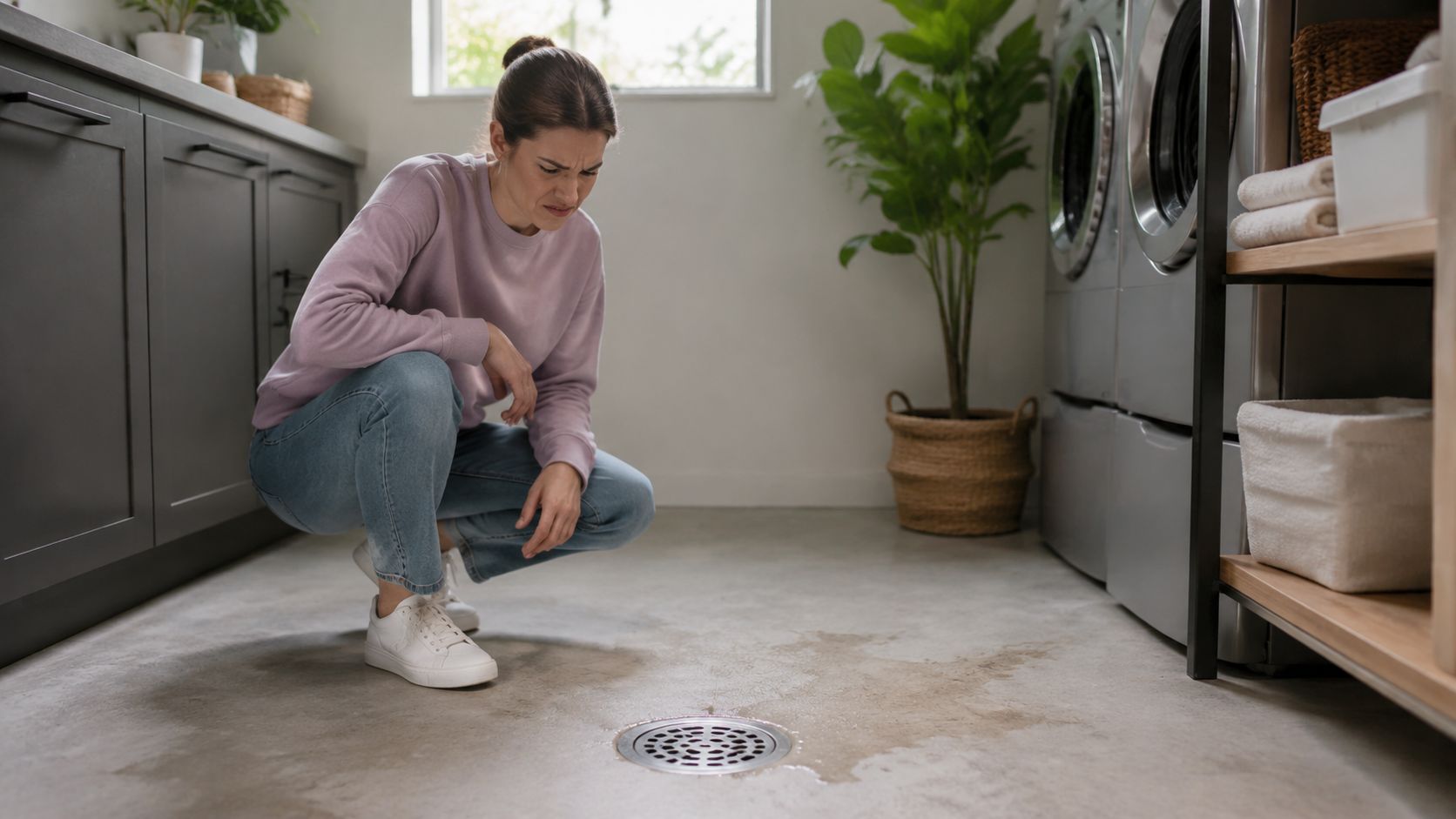
Odor versus buildup
Organic residue, grease, detergents, sand, and other material can collect around the grate and inside reachable parts of the drain. That material may smell as it breaks down, but scrubbing away visible buildup won't correct a dry trap. A drain can look spotless and still allow odor through if the water seal isn't present.
Public-health guidance also warns that standing water over a floor drain may be contaminated with pathogens. Illinois administrative code requires floor drains to connect to traps, remain accessible and readily cleaned, and be positioned so they're easily visible. Hong Kong food-hygiene guidance similarly calls for kitchen and food-room floor drains to connect to a proper drainage system and prevent wastewater from accumulating. These requirements show why a floor drain is sanitary infrastructure, not just a hole in the floor.
Practical rule: If cleaning removes the debris but the sewer odor returns, check the trap seal and the larger drainage system instead of repeating the same surface cleaning.
How to Clean a Floor Drain Properly
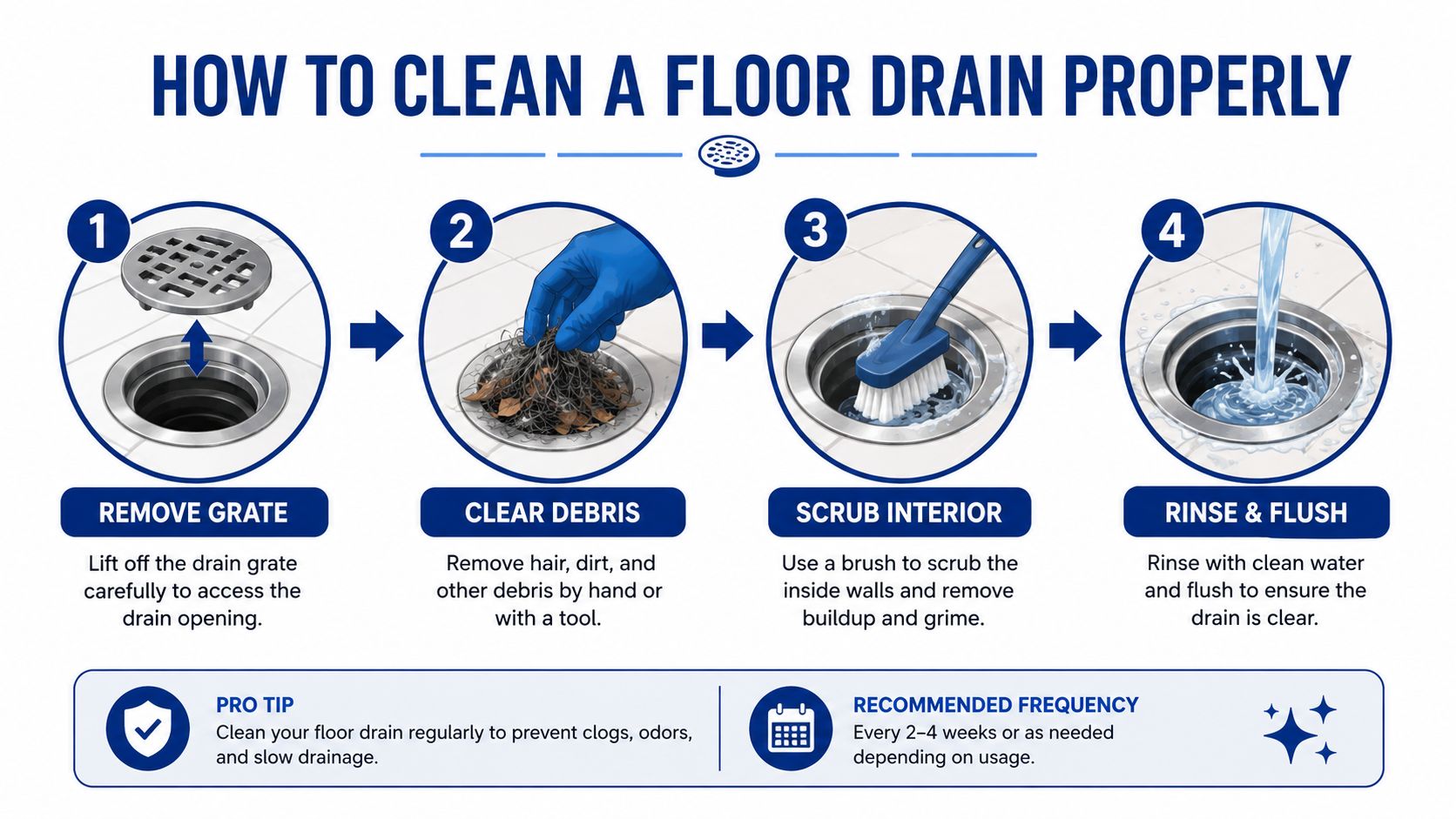
A clean-looking grate does not always mean the drain is healthy. Debris removal handles hair, lint, sludge, and residue, while flushing restores the water in the trap seal. Keeping both tasks in the routine helps prevent recurring odors and drainage problems.
Wear gloves and eye protection. Stop and arrange professional service if the drain contains sewage, backs up repeatedly, or holds standing water that may be contaminated.
Use a repeatable cleaning sequence
Remove the grate. Lift or unscrew it carefully and set it aside. Avoid forcing a fragile or corroded cover.
Clear visible debris. Pick out hair, lint, leaves, sand, and sludge with gloved hands or a disposable tool. Put the material in the trash instead of pushing it farther into the pipe.
Scrub reachable surfaces. Use a stiff nylon brush on the grate, drain throat, and accessible interior walls. Nylon removes residue without the scratching that abrasive tools can cause.
Flush the drain. Pour at least 1 gallon of clean water through the drain after routine cleaning. This carries loosened material away and helps recharge the trap seal, following this floor-drain maintenance workflow.
Treat heavier organic buildup. Apply an enzymatic cleaner for grease, biofilm, or stubborn organic residue, following the product label. Allow 15 to 30 minutes of contact time, then flush with at least 2 gallons of water.
Choose cleaning tools carefully
Avoid abrasive pads, metal picks, and similar tools that can scratch stainless steel. Scratches collect residue and make later cleaning more difficult. Skip bleach, chlorine, and oil-based products unless a qualified professional confirms compatibility with the drain and nearby materials.
Enzymatic cleaners also need their full contact time. Rinsing too soon can leave grease and biofilm behind, reducing the product's usefulness. For visual guidance, watch this floor-drain cleaning video.
Slow drainage after debris removal and flushing can indicate an obstruction deeper in the branch line or main sewer. Jay's Plumbing and Sewer handles drain cleaning, sewer camera inspections, and high-pressure water jetting when hand cleaning is insufficient. This guide to clogged drains and water jetting explains when that service may be appropriate.
Call Jay's Plumbing and Sewer Now @ 586-634-3450
Understanding Trap Seals and Why They Fail
Slow drainage and pooling point to a clog, while odor without flow issues usually signals a dry trap. A trap seal holds water in the curved section of pipe beneath the drain, blocking the path between the opening and the sewer. Water can pass through during normal drainage, but the water barrier should remain afterward.
Evaporation is the common failure in a low-use drain. A basement floor drain in a vacant Fraser property, a utility-room drain used only during maintenance, or a seasonal home closed for long periods may not receive enough water to maintain the seal. Independent facility guidance recommends checking low-use drains every 2 to 3 weeks to help limit evaporation.
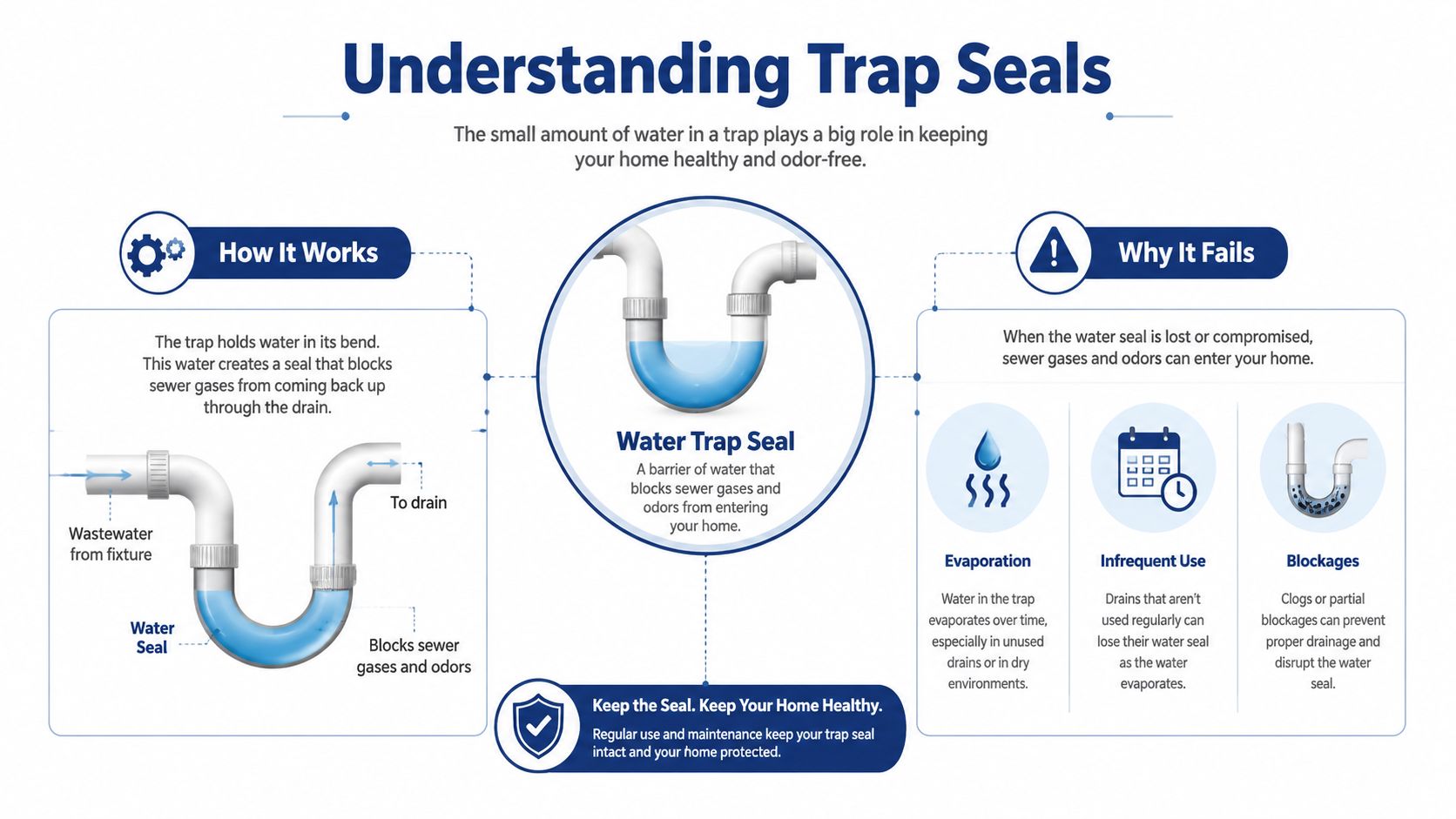
Diagnose the actual failure
A dry trap can leave the drain looking clean while allowing sewer gas odors into the room. Adding water may provide only temporary relief if the seal is damaged, poorly seated, or unable to hold water. A clogged floor drain with standing water also requires correction under the HUD inspection material, particularly when the water may be contaminated.
Check the trap separately from the visible grate and throat. Clear debris first, then confirm that water remains in the trap. If the odor returns quickly, the problem may involve the trap assembly, a damaged drain connection, or a downstream sewer issue rather than surface residue.
Retrofit trap seals suit some floor-drain installations. A commercially available 2-inch floor-drain trap seal allows water to pass while blocking odors and sewer gas. Some 2-inch models are rated at about 12 GPM. Depending on the product and installation requirements, these seals may also suit shower drains, mop sinks, laundry rooms, HVAC condensation drains, ice-machine condensation drains, and water-heater drains. Review the 2-inch trap-seal product information and the multi-application drain-seal listing before choosing one.
Installation generally involves removing the grate, cleaning the strainer throat, inserting the seal level and fully seated, and replacing the grate. Residue in the throat or a misaligned insert can prevent a dependable fit, as explained in this retrofit trap-seal installation sheet.
Recurring odors or drainage problems may point beyond the fixture. A main sewer line repair assessment can help determine whether the building's main line needs attention instead of another round of surface cleaning.
Cleaning Frequency and Best Practices by Drain Type
Cleaning frequency depends on usage and exposure. Restaurant kitchen drains face grease and food particles, while basement drains deal more with seasonal water exposure. Laundry rooms and HVAC condensation systems add detergent residue, lint, or steady water discharge. High traffic, sand, and frequent flow all justify more regular inspection.
| Drain Type/Usage | Cleaning Frequency | Key Tasks |
|---|---|---|
| High-traffic commercial or food-service drain | Inspect and clean weekly, handling visible organic buildup daily and inorganic buildup weekly, based on commercial floor-drain maintenance guidance | Remove debris, empty the cover or strainer, pre-rinse with low-pressure warm water, scrub, use an appropriate product, and sanitize |
| Moderate-use residential, laundry, or utility-room drain | Check monthly, following the routine in facility maintenance guidance | Inspect the grate and throat, clear residue, scrub reachable surfaces, and restore the trap seal with clean water |
| Low-use basement, vacant-property, or seasonal-home drain | Check every 2 to 3 weeks to limit trap-seal evaporation, as noted in HUD inspection guidance | Check for odor, confirm water remains in the trap, add clean water when appropriate, and look for standing water or blockage |
Adjust for Southeast Michigan conditions
Heated basements and utility rooms can dry out indoor air during Michigan winters. Low-use drains therefore need attention even when no dirty water enters them. The drain may look clean while its trap seal has evaporated, allowing sewer gas odors through. Routine debris removal and trap-seal maintenance are separate tasks, and both belong on the inspection list.
Heavy spring rain creates another concern where a sump pump, floor drain, and sewer connection share the work of moving water away from the basement. Watch for slow drainage, standing water, or odors after storms.
Commercial managers should assign daily debris removal instead of assuming the closing crew or janitorial routine covers the drain. A cover or strainer keeps solids out, but it still needs emptying. Warm-water pre-rinsing, measured detergent or foam cleaning, adequate contact time, scrubbing, and sanitizing are more reliable than repeatedly pouring harsh chemicals into a neglected drain.
Call Jay's Plumbing and Sewer Now @ 586-634-3450
Common Mistakes and When to Call a Professional
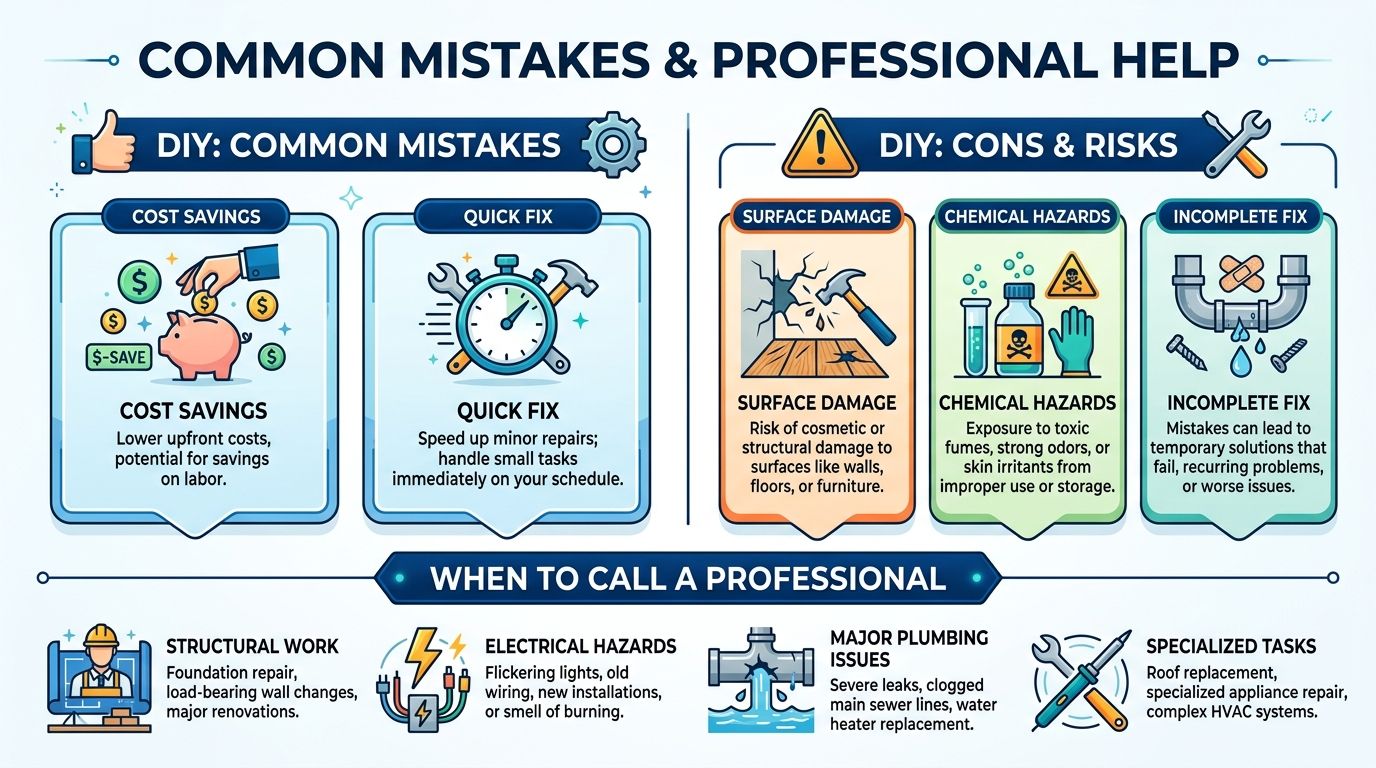
A drain can look clean and still release sewer gas when its trap seal has dried out. Brushing the grate removes surface grease, but it does not restore lost water in the trap or correct a damaged sewer line. Repeating surface cleaning can delay the right diagnosis.
Approaches that often backfire
Abrasive tools: Metal scrapers and harsh pads can scratch stainless steel and leave rough areas that collect residue.
Strong chemicals: Bleach, chlorine, and oil-based products may react with other materials or damage plumbing components and nearby finishes.
Early flushing: Rinsing an enzymatic cleaner before it has enough contact time can leave grease and biofilm behind. Persistent buildup may then need repeated cleaning.
Forcing a blockage: Excessive pressure, plungers, or improvised tools can push debris farther into the line or damage older piping. Stop when the drain backs up. A temporary change in water level does not confirm that the blockage is gone.
Routine debris removal and trap-seal maintenance require separate checks. If odor remains after the trap has been cleaned and recharged, look for a deeper issue.
Know when the drain needs diagnosis
Call a licensed plumber when odor returns, water drains slowly after the opening is cleared, or several fixtures develop related symptoms. A basement floor drain that backs up while the washing machine, shower, or another fixture discharges may indicate a problem farther along the line.
Professional drain cleaning may use a cable, sewer camera, or high-pressure water jetting. A camera can show grease, roots, a damaged section, or another obstruction. Jetting may remove grease, detergent, sand, and mineral deposits, but the suitable method depends on pipe condition and access.
Property managers and real estate agents should arrange an inspection when odor returns between occupants or a buyer reports a damp basement. Jay's drain cleaning and unclogging information explains service factors homeowners may want to discuss. The practical goal is to determine whether the issue is local, structural, or related to trap-seal maintenance before selecting a tool.
Call Jay's Plumbing and Sewer Now @ 586-634-3450 for floor drain cleaning, trap-seal troubleshooting, or a sewer camera inspection.
Maintaining Healthy Drains Year-Round
A healthy floor drain needs two separate checks: debris removal and trap-seal maintenance. Monthly, inspect the grate, remove visible material, scrub reachable surfaces, flush with clean water, and check drainage and odor. A drain can look clean while its trap has dried out, allowing sewer gas indoors, so confirm that low-use drains still hold water before a smell appears.
Before Michigan's wetter seasons, inspect basement drains, sump pump discharge arrangements, and areas vulnerable to flooding. During dry winter weather, check vacant rooms and utility spaces more often. Covers and strainers limit incoming debris, but they do not replace cleaning or evaluation when water remains in the drain.
Contact Jay's Plumbing and Sewer if odors persist, backups return, several fixtures drain slowly, or a sewer problem is suspected. Services include residential and commercial drain cleaning, sewer camera inspections, sewer repair, sump pump repair, leak detection, and pipe repair in Fraser, Sterling Heights, Clinton Township, Warren, Royal Oak, and nearby Macomb and Oakland County communities. Homeowners searching for a plumber near me, emergency plumber, or basement-flooding help should ask questions early, before a small maintenance issue becomes a larger failure.
Call Jay's Plumbing and Sewer Now @ 586-634-3450 for floor drain cleaning, trap-seal troubleshooting, or a sewer camera inspection. Jays Plumbing and Sewer serves residential and commercial properties throughout Macomb and Oakland County. Visit Jays Plumbing and Sewer to schedule service or request an estimate.
